One full day is enough to see the best of a Ngorongoro Crater Safari. If you’d like to explore the highlands, visit nearby sights or simply go at a gentler pace, plan for two or three days. Most safari experts suggest sleeping near the crater the night before, so your morning starts early and stress-free.
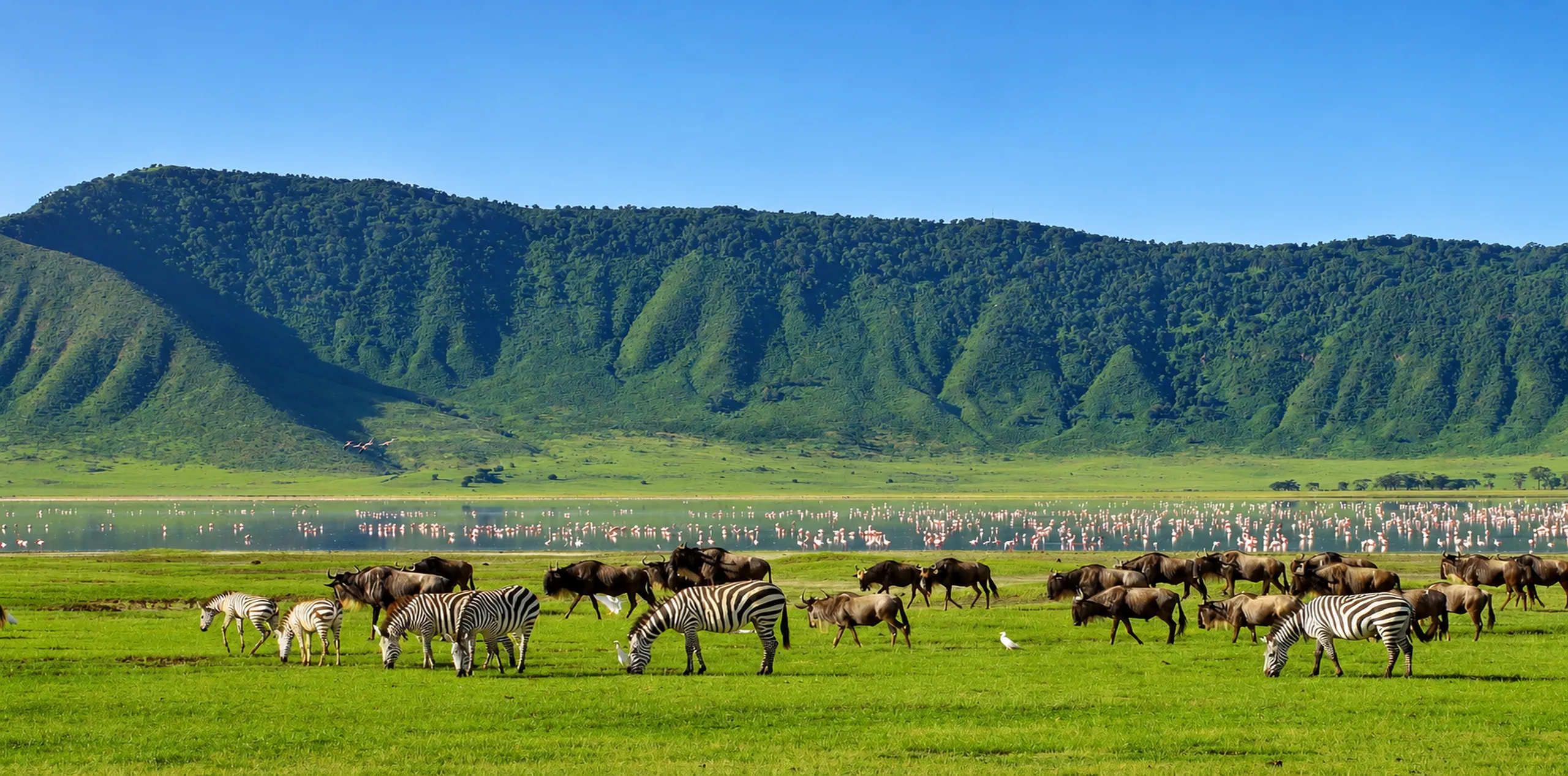
The crater has open grasslands, wetlands and a lot of wildlife in one place, which is why a single visit feels so rewarding. Weather and animal movements do change what you see, so give yourself enough time to enjoy the drive without rushing.
Is it worth spending more than one day in Ngorongoro?
For the crater itself, one day is usually enough. A longer stay makes sense if you want to see the highlands, visit Olduvai Gorge or avoid long drives. Spend your extra days in the wider conservation area. You don’t need several game drives on the crater floor.
Key Facts About a Ngorongoro Crater Safari
| Planning detail | What to know |
| Recommended duration | One full day for the crater visit |
| Longer stay | Two or three days for the wider area and nearby sights |
| Where to stay | Lodges on the crater rim, or accommodation around Karatu |
| Wildlife | Lions, elephants, buffalo, zebras, wildebeest and the occasional black rhino |
| Weather | Generally drier from June to October, with wildlife viewing all year |
| Access | Check visiting hours, vehicle rules and fees with your operator |
How Much Time Do You Really Need in Ngorongoro Crater?
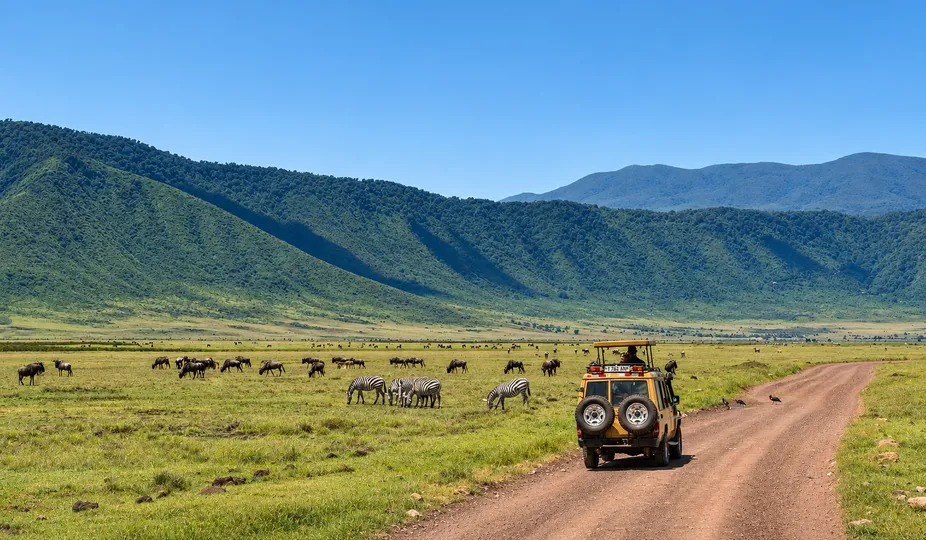
For most visitors, one day do the job. Everything sits inside the same crater, so you move between habitats without the long transfers you’d have between separate parks. That said, one day doesn’t mean you’ll see everything. The best visits leave time to stop and wait. You might spend far longer with a pride of lions than you planned or sit beside a grazing herd while your guide explains what the animals are up to.
- Two days is a gentler way to do it. You arrive at your lodge in the afternoon, rest, and go down into the crater the next morning. That beats driving from Arusha and doing the crater on the same day.
- Three days suits you if you want more than the crater floor. The wider conservation area has lovely highland scenery and sites like Olduvai Gorge. Each extra activity needs its own travel time, so build that in.
- Half of the day can still be worth it if you’re short on time. You’ll just have less room for faraway sightings, slow watching or delays. Whichever you choose, count the journey to the descent road, not just the drive inside the crater.
Good to know: Ask your operator how long you’ll actually have on the crater floor. A full-day visit includes entry procedures, the descent, breaks and the climb back out, all within the permitted visiting arrangements.
What Can You See on a Ngorongoro Crater Safari?
The best thing about Ngorongoro is the variety. In a single visit you can go from open grassland full of grazing herds to pools, wetlands and patches of trees. Lions, buffaloes, zebras and wildebeest are common. Elephants wander through, and with luck you may spot a black rhino. Some animals walk right up to their vehicle, while others keep their distance, so binoculars help a lot.
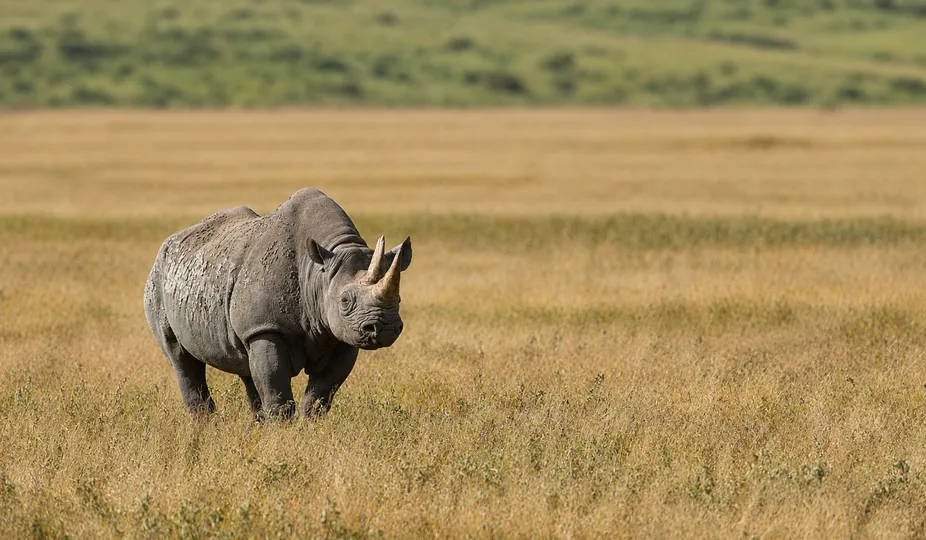
The crater is famous for the Big Five, but seeing all five in one visit is never guaranteed. Leopards are the hardest to find, and no guide can promise one. Come with a bit more than a checklist in mind and you’ll enjoy it more. Lake Magadi and the wetlands bring a quieter mood to the day. Flamingos can appear when feeding and water conditions suit them, and the hippos and waterbirds are good reasons to slow down.
Guides often say the best moments come after you’ve taken the photo, when you keep watching. Zebras greeting each other, buffalo moving together or a lion sizing up its next meal can hold your attention longer than you’d expect.
Good to know: Bring binoculars, a charged camera and spare storage. Keep a warm layer close, and protect your gear from dust and showers. Tell your guide if birds, photography or one particular animal matters most to you.
When Is the Best Time to Visit Ngorongoro Crater?
There’s no wrong month, since wildlife is here all year and you don’t have to plan around a river crossing. It really comes down to the weather you prefer.
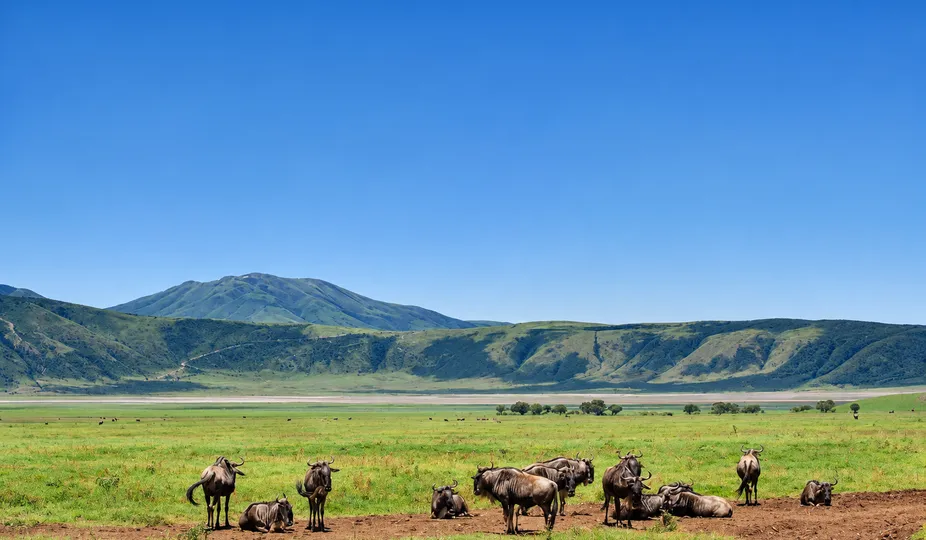
- June to October is generally drier and popular with travellers. Mornings can still be cold, especially on the rim.
- January and February are often a drier break between rainy spells, though showers can still happen. They also suit trips that pair Ngorongoro with the Ndutu area, depending on where the animals are.
- March to May brings the long rains. Everything turns green, but wet tracks can slow you down, so keep your plans flexible.
- November and December bring the short rains, with showers between brighter spells. In any month, pack for both cool weather and rain.
Good to know: Layers work better than one heavy jacket. A warm top, a light waterproof and sun protection will see you through the change between the rim and the crater floor.
How Do You Plan Your Ngorongoro Crater Safari Itinerary?
Start with where you’ll sleep. Lodges on the crater rim make access easy, and Karatu is another good base with different options. Ask how long the drive to the descent road takes from your lodge.
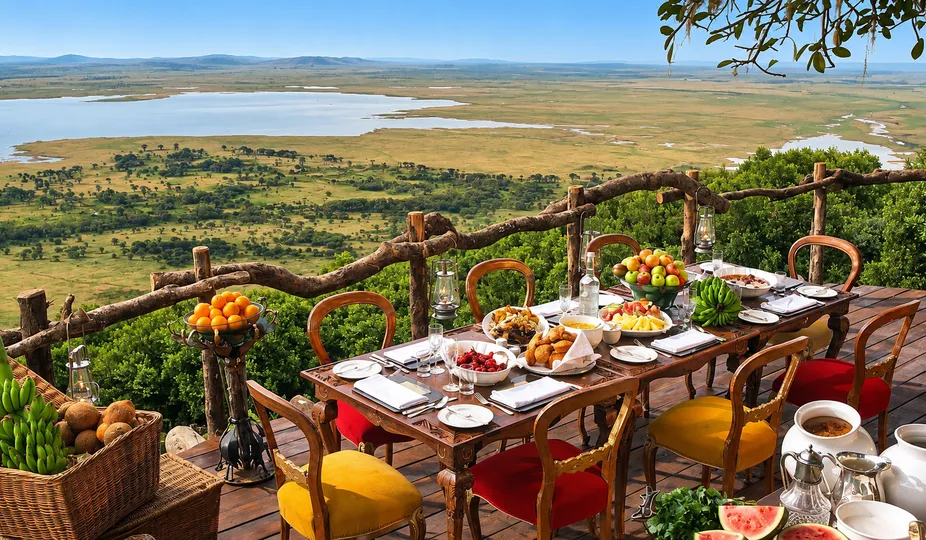
A day trip from Arusha means many hours on the road. It can work if time is tight, but sleeping nearby the night before makes the morning far easier, especially for families.
Before you go, sort out a few simple things:
- Food and water: Arrange breakfast, drinking water and a packed lunch. Your guide can plan stops along the way.
- On the drive: Stay in the vehicle as instructed and keep a respectful distance from animals.
- Your quote: Check whether it covers conservation entry, crater vehicle fees, guiding, meals and accommodation. Clear details make it much easier to compare Tanzania safari packages and see what you’re really paying for.
Ngorongoro also fits well into a longer trip with the Serengeti or Tarangire. Give each park enough time and add another only if it brings you more wildlife without wearing you out.
Good to know: Avoid a tight flight connection right after your crater visit. Leave room for the climb out, road conditions and onward transfers.
Plan a Comfortable Ngorongoro Visit
One full day is usually enough to enjoy the crater, while two or three days let you explore the surrounding area at an easier pace. Good planning, comfortable accommodation, and an experienced guide will help you get the most from your visit.
At Naserian Adventures, our safari experts can help you choose how many days to spend, build a personalised Tanzania itinerary, arrange your accommodation and sort out your travel plans. Explore our Tanzania Safari Packages, then share your dates and interests with our team to start planning.