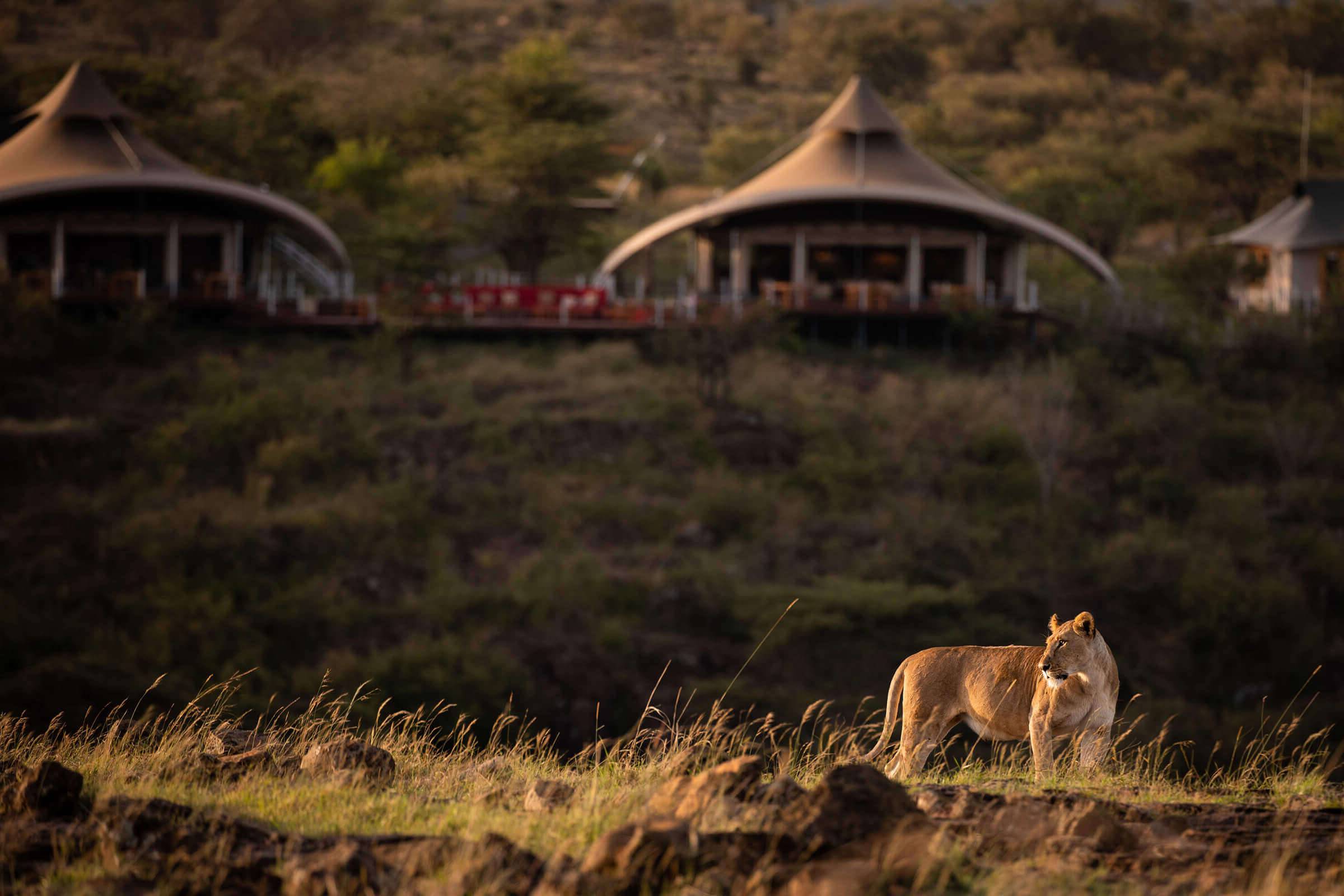
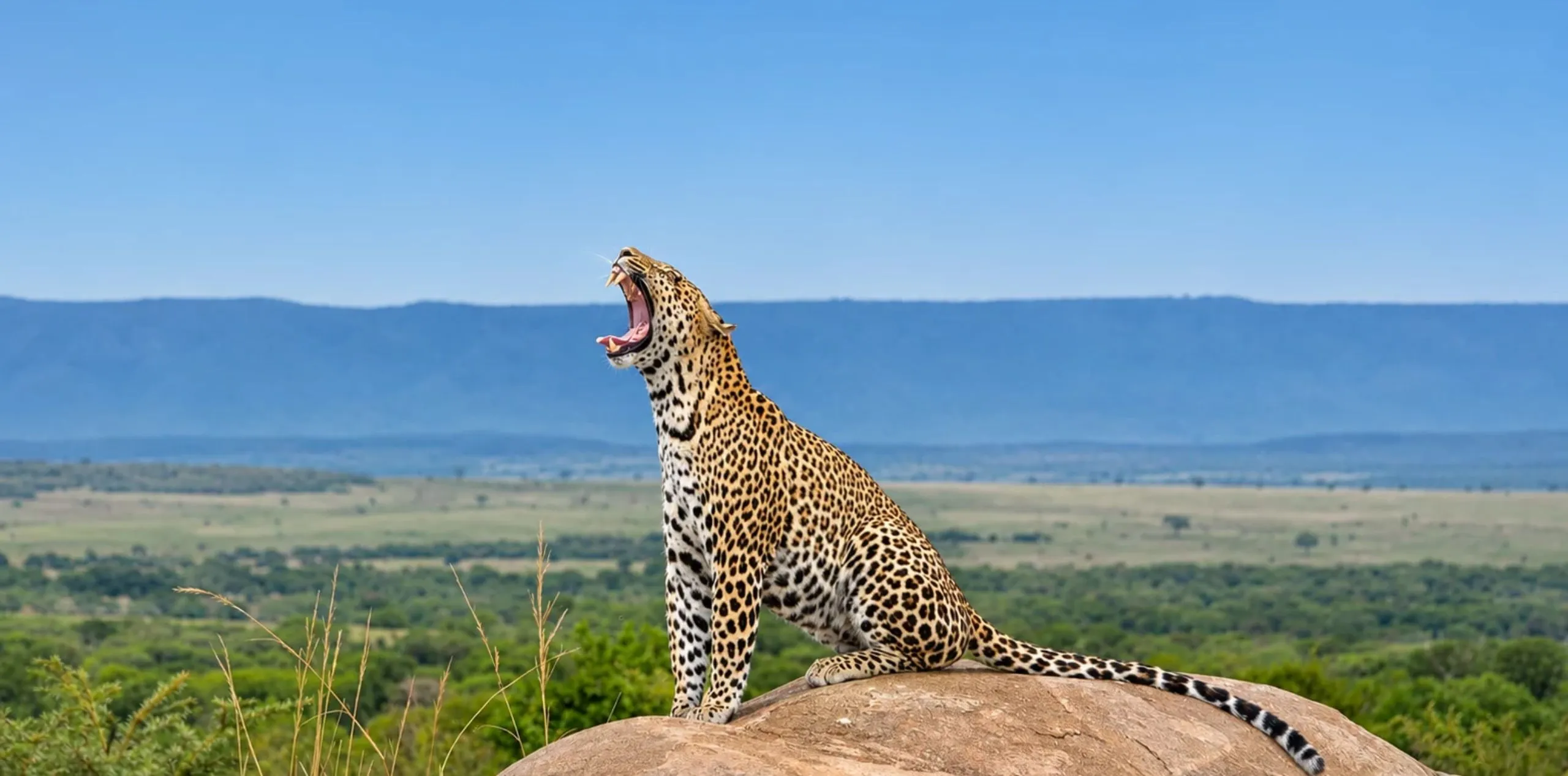
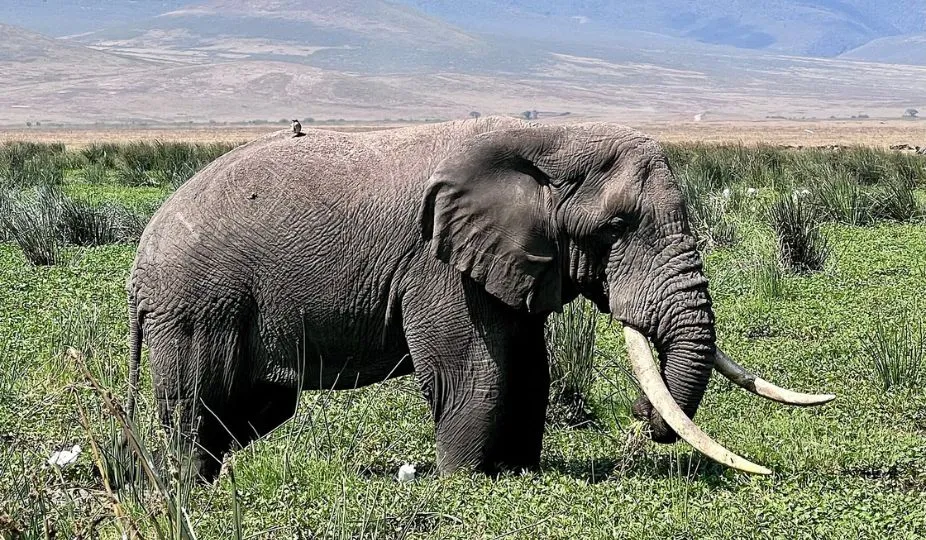
During Tanzania’s Dry Season, from June to October, elephants, zebras and buffaloes often gather around rivers and waterholes. Shorter grass and thinner vegetation make animals easier to spot on game drives, especially near the Tarangire River. When the rains return, fresh grass grows and seasonal pools refill, allowing many animals to spread out. In Ndutu and the southern Serengeti, wildebeest gather on the green plains to calve, mainly in January and February.
The Green Season also brings migratory birds and lush landscapes. If you’re planning a Tanzania Wildlife Safari, choose the dry season for easier wildlife spotting around water or the green season for newborn wildebeest and birdwatching. Rainfall can shift the timing of herd movements from one year to the next.
Which Season Offers the Best Wildlife Experiences in Tanzania?
Visiting between June and October for the easiest game viewing, especially for elephants, buffalo, and big cats. Come between November and May if you’d rather see green plains, newborn animals and far more bird species. Wildebeest Calving in the southern Serengeti peaks in January and February, and many travellers call it the most memorable thing they’ve seen in Africa.
If it’s your first safari, the dry season is the safer bet. Repeat visitors, though, often end up preferring the green.
Key Facts About Tanzania’s Wildlife Seasons
| Key Factor | Details |
| Main Dry Season | June to October |
| Short Rains | Usually November to December |
| Long Rains | Usually, March to May |
| Easiest Wildlife Spotting | June to October |
| Wildebeest Calving Season | Mainly January to February, sometimes into March |
| Best for Birdwatching | Roughly November to April |
| Popular Dry-Season Parks | Tarangire and Serengeti |
| Popular Green-Season Areas | Southern Serengeti and Ndutu |
| Great Migration | Year-round, following rain and grazing |
How Does Tanzania’s Wildlife Behave During the Dry Season?
By June, the rains have finished in northern Tanzania, and the bush dries out quickly. The seasonal pans go first. By August, much of the long grass is the colour of straw, and by September most animals live within reach of permanent water. That’s good news when you’re sitting in a game-drive vehicle. With fewer places to drink and less grass to hide in, the animals become far more predictable. Park near a river in the afternoon and you’ll often see a steady procession come through.
Elephants usually come first. Then zebra and wildebeest, with impala hanging nervously at the back. The predators have worked this out too. Lions and leopards don’t need to go far when their next meal keeps walking down to the same stretch of water, so your chances of seeing a hunt, or at least a group of very attentive lions, go up. Elephants do the opposite. They often walk long distances each day between the places they feed and the places they drink.
Tarangire National Park is where we’d send you first. In the driest months, the Tarangire River is about the only reliable water for miles, and elephants come in from across the wider area to dig for it in the sandy riverbed. The Silale Swamp in the south of the park is worth a visit too, as it stays green long after everything around it has dried up. Wear light, neutral colours and leave the dark blue and black at home, because the flies are drawn to them. The Serengeti National Park is excellent at this time of year as well. The central Seronera area has resident lions, leopards and cheetahs all year round, and from around July the migrating herds are usually up in the north towards the Mara River.
Photographers love the dry season for its light: golden grass, long shadows and a haze of red dust behind a walking herd of elephants. That same dust gets into everything, so bring something to protect your camera. And if you’re staying on the Ngorongoro Crater rim in June or July, pack a warm layer. The early mornings up there are properly cold. None of this is guaranteed, of course. A late shower or an unusually wet year can shift things around, and wild animals keep their own schedules.
Safari Tip: If elephants are high on your list, give Tarangire at least two nights between July and October. For lions, cheetahs and the migration, build your trip around the Serengeti, and choose which part of it based on the month you’re travelling.
What Happens to Wildlife During Tanzania’s Green Season?
The first proper storms usually arrive in November, and the change is quicker than you’d expect. Within a week or two, grass that looked dead changes to green, the pans refill and the dust finally settle.
With water and grazing available nearly everywhere, animals no longer have to crowd together. They spread out. That makes some of them a little harder to find, but it also means you see them doing something other than queueing for a drink.
Northern Tanzania has two rainy periods. The short rains usually fall in November and December, and the long rains from roughly March to May. January and February sit in between. They’re often green and fairly dry, with afternoon showers rather than days of solid rain, and it’s one of our favourite times to be in the southern Serengeti.
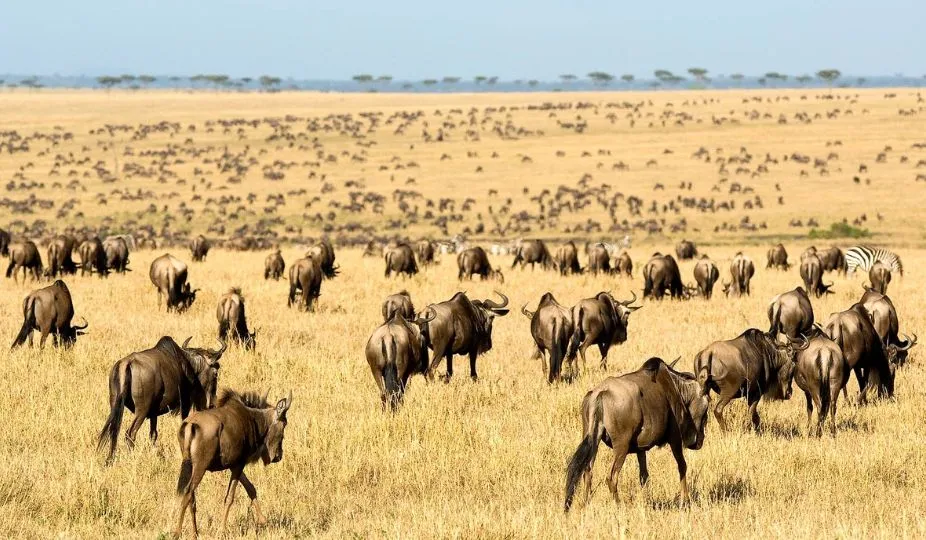
Each year the wildebeest herds gather on the short-grass plains around Ndutu and the southern Serengeti, where the grazing is especially rich in the minerals nursing mothers need. Most calves are born within a few weeks, and on the busiest days thousands arrive. A newborn wildebeest is on its feet within minutes and running not long after. It has to be, because the lions, hyenas and cheetahs are here too. It’s a superb time for predator sightings. You’ll see some tough moments, but very few people come away wishing they hadn’t gone. Zebras, gazelles and other grazers follow the fresh grass as well. At the height of it, the plains around Ndutu are covered with animals almost as far as you can see.
This is also the best time of year for birds. Migrants arrive from Europe and Asia from around November, many resident species are breeding and in their brightest colours, and the wetlands fill up again. Look out for storks, bee-eaters, rollers and plenty of birds of prey. You don’t need to be a birdwatcher to enjoy it, though you might come home as one. Photographs from this season look completely different: deep green grass, huge storm clouds building in the afternoon and animals reflected in rain pools.
There are trade-offs, and it’s better to know them upfront. In some areas the grass grows tall enough to hide smaller animals and, now and then, a lion. Roads can turn muddy, particularly in April and May, and some seasonal camps close during the long rains. On the plus side, it’s quieter, and lodge rates are often lower.
Safari Tip: For the calving, aim for Ndutu in late January or February. The herds go where the rain has fallen, so ask your operator where they’ve been in recent weeks before you lock in your dates.
Dry Season vs Green Season: What Wildlife Experiences Can You Expect?
The number of animals in the parks doesn’t change much from season to season. What changes is how easy they are to find and what they’re doing when you find them. In the dry season, water decides where everything goes. In the green season, the animals have options, and they use them.
| Wildlife Experience | Dry Season | Green Season |
| Wildlife visibility | Usually easier, with short grass | Can be trickier in thicker vegetation |
| Animal gatherings | Common around reliable water | Spread out across fresh grazing |
| Predator activity | Hunting near concentrated prey | Hunting around grazing herds and newborns |
| Birdwatching | Good resident bird viewing | Excellent migratory and breeding activity |
| Landscapes | Golden plains and dry woodland | Green grasslands and lush bush |
| Photography | Clear views, dust and warm light | Vivid colour and dramatic skies |
| Great Migration | Northern movements and possible river crossings | Southern grazing, calving and seasonal movements |
How Does the Great Migration Change with the Seasons?
The Great Migration in Tanzania is really just wildebeest following grass, and grass following rain. Each year, huge herds of wildebeest, along with zebras and gazelles, make a long loop through the Serengeti ecosystem and up into Kenya’s Maasai Mara.
Online you’ll find plenty of neat month-by-month migration maps. Use them as a rough guide only, because the herds don’t follow them.
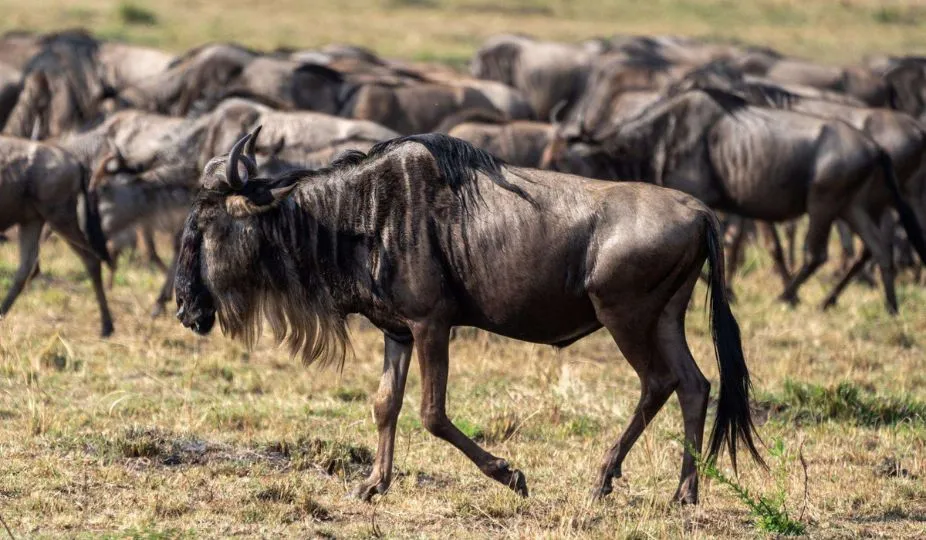
In a typical year, the herds spend roughly January to March on the southern plains around Ndutu, calving and fattening up. As that grass runs out, they move up through the central and western Serengeti, and some cross the Grumeti River on the way. From around July to October, much of the action is in the far north near Kogatende, where the herds cross back and forth over the Mara River. Those crossings are chaotic and often brutal, with strong currents and big crocodiles waiting, and they draw a lot of vehicles. Be ready to share the riverbank. When the short rains return in November and December, the herds turn south again.
Every one of those dates can move by weeks depending on the year. That’s why picking the right area matters just as much as picking the right month. February in the southern Serengeti and August in the north are completely different safaris, and neither is better than the other. One gives you newborn calves on the open plains. The other gives you a chance of seeing a crossing, although even the best guides end up waiting on the riverbank for hours some days with nothing happening.
Safari Tip: Before booking a migration safari, check which part of the Serengeti makes sense for your dates, and be wary of anyone who promises you a river crossing. Nobody can.
Which Season Should You Choose for a Tanzania Wildlife Safari?
The best time for a Tanzania wildlife safari depends on one question: what are you hoping to see? Here’s how the year roughly breaks down.
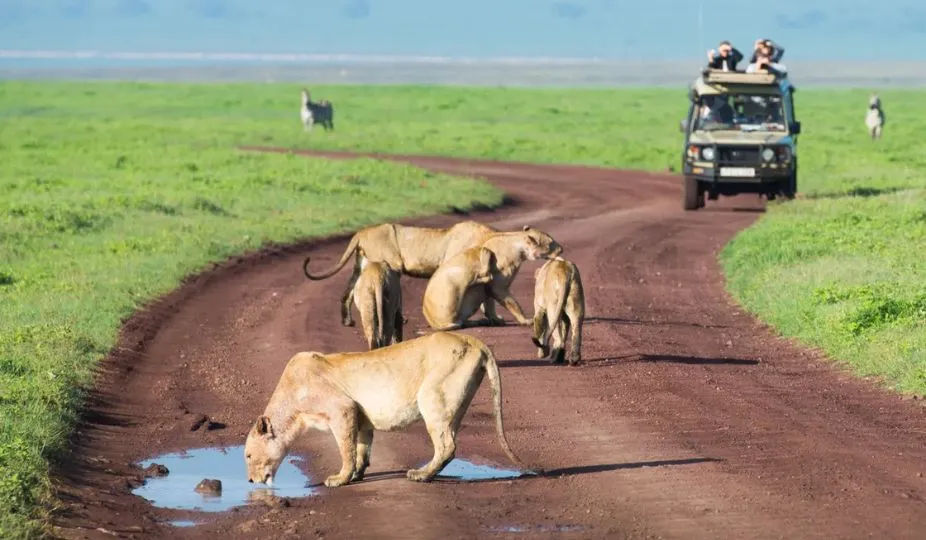
- June to October is classic safari weather. Dry, mostly sunny, with thin vegetation and animals concentrated around water. Tarangire and the Serengeti are both at their best. It’s also the busiest and most expensive time, so book early.
- November and December bring the short rains. The landscape greens up, migrant birds arrive and the herds begin moving south. It’s a good choice for photographers and birders, and usually quieter than the peak months.
- January to March is calving season in the southern Serengeti and Ndutu: newborn wildebeest, enormous herds and plenty of predators.
- April and May are the long rains. Everything is lush and you may have some areas almost to yourself, but expect heavy downpours, muddy roads and a few camps closed. It suits flexible travellers more than first-timers on a tight schedule.
- July to October is also your window for Mara River crossings in the northern Serengeti, if the herds and the rain cooperate.
Where you go matters as much as when. Ngorongoro Crater is a reliable choice at any time of year because so much of its wildlife stays put. Tarangire is at its best when it’s dry, and the Serengeti changes character completely depending on the month. A good local guide can match all of this to your interests in a single conversation, and it’s worth having that conversation before you settle on dates.
Safari Tip: When planning your Tanzania Safari Tours, resist the temptation to squeeze in too many parks. Two or three nights in fewer places almost always beats a different lodge every night and long hours on the road.
Experience Tanzania Wildlife in Every Season
There isn’t really a bad time to see Tanzania’s wildlife, just different versions of it. The dry season brings the animals to the water. The green season brings newborns, fresh grass and some of the best birding in Africa. We can’t promise you any particular sighting, and nobody honestly can, but either season will give you plenty to remember. At Naserian Adventures, we plan every Tanzania Wildlife Safari around what you want to see. Whether you’re picturing golden plains or green ones, take a look at our Tanzania Safari Packages, or just get in touch and tell us what you’re hoping for.