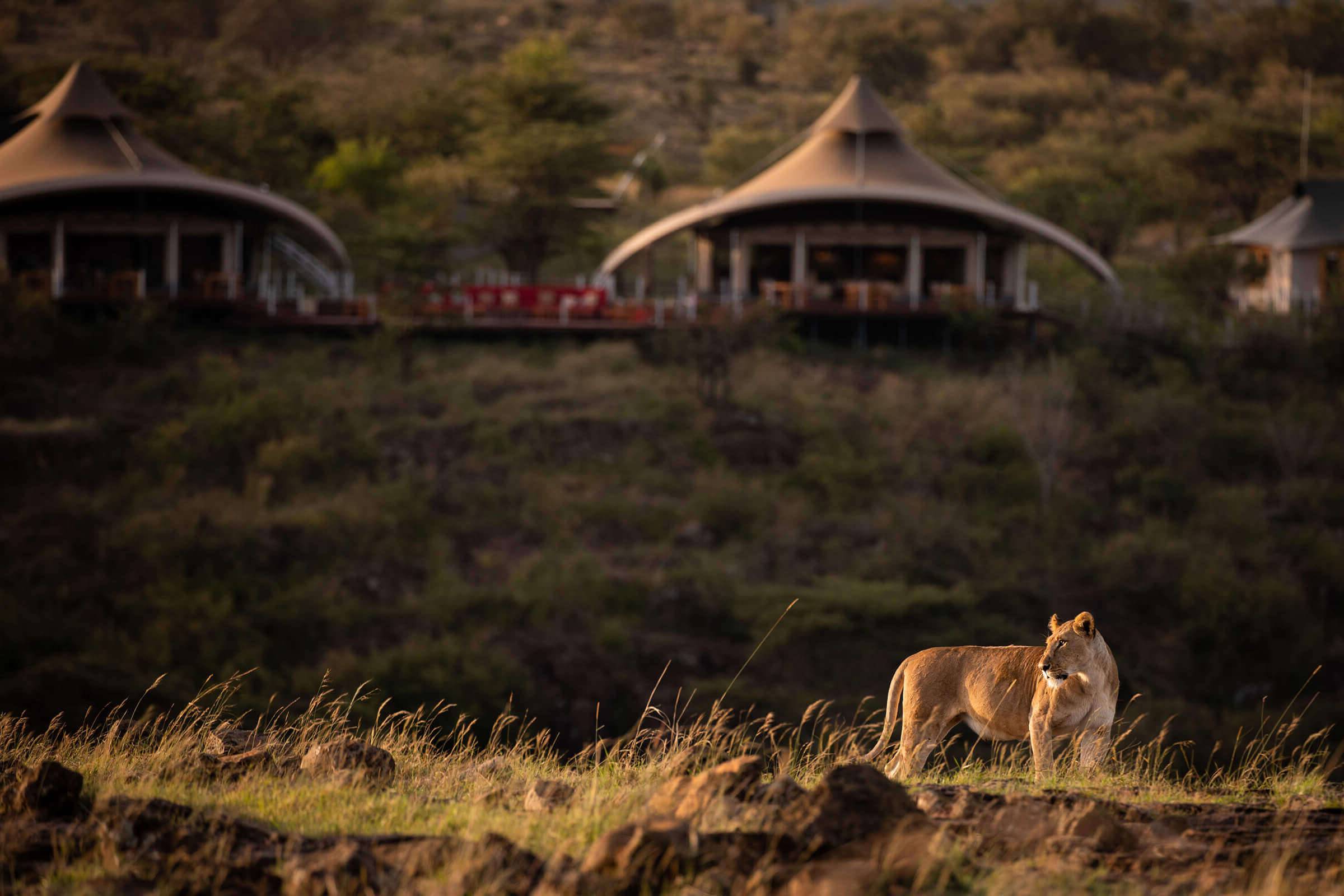
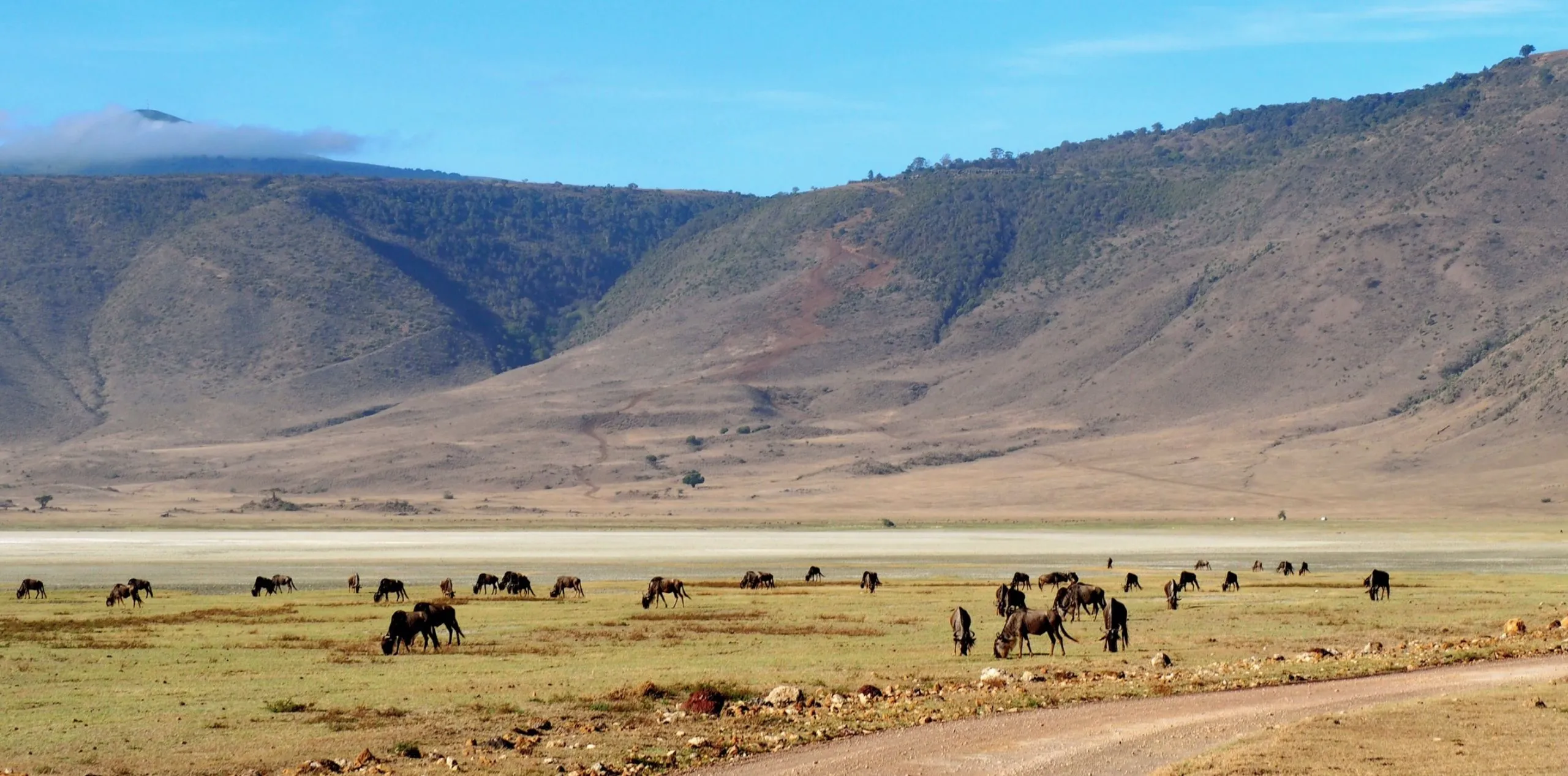
A Ngorongoro Crater Safari 2026 is an excellent choice for travellers who want concentrated wildlife viewing, dramatic scenery and the possibility of seeing several iconic African species in a relatively small area.
Safari experts recommend Ngorongoro because its volcanic caldera supports diverse habitats, including grasslands, wetlands and woodland. Experienced guides suggest planning game drives around cooler periods and allowing for changing weather. It offers opportunities to see the Big Five, hippos, zebras, wildebeest and numerous different birds. At the same time, its location makes it easy to combine with Serengeti and Tarangire on a Northern Tanzania safari.
Why Visit Ngorongoro Crater in 2026?
Ngorongoro Crater Tanzania is one of the most distinctive destinations on the Northern Tanzania safari circuit. The crater is an enormous volcanic caldera, about 610 metres deep, with a floor covering roughly 260 square kilometres. Its varied habitats support a high concentration of wildlife, making a Ngorongoro Crater Safari particularly attractive for first-time safari travellers.
Quick facts
| Why visit | What You Can Expect |
| Big Five Viewing | Lions, elephants, buffalo, and chances of seeing black rhinos |
| High Wildlife Density | Large numbers of animals within the compact crater floor |
| Dramatic Landscapes | Grasslands, wetlands, forests, lake, and volcanic crater walls |
| Photography | Excellent opportunities for wildlife and landscape photography |
| First-Time Safari | Convenient wildlife viewing compared with larger parks |
| Northern Circuit Combination | Easy to combine with Serengeti and Tarangire |
Unlike the vast open plains of the Serengeti, the crater gives travellers a more compact wildlife environment. Experienced guides suggest including Ngorongoro as part of a wider Northern Tanzania itinerary rather than treating it as the only safari destination.
Wildlife & Big Five – What Can You See in Ngorongoro Crater?
The Ngorongoro Crater Wildlife experience is one of its biggest attractions. Because different habitats occur within a relatively compact area, a single game drive can potentially include several types of wildlife. This makes the crater especially appealing to first-time visitors and photographers who want diverse sightings without constantly changing locations.
| Ngorongoro Habitat | Wildlife You May See |
| Lerai Forest | Elephants, monkeys, birds |
| Open Grasslands | Lions, wildebeest, zebras, buffalo, hyenas |
| Swamps | Hippos, waterbirds, buffalo |
| Lake Magadi | Flamingos and other waterbirds |
| Crater Floor | Black rhinos, lions, zebras, wildebeest |
| Woodland Areas | Elephants, birds, smaller mammals |
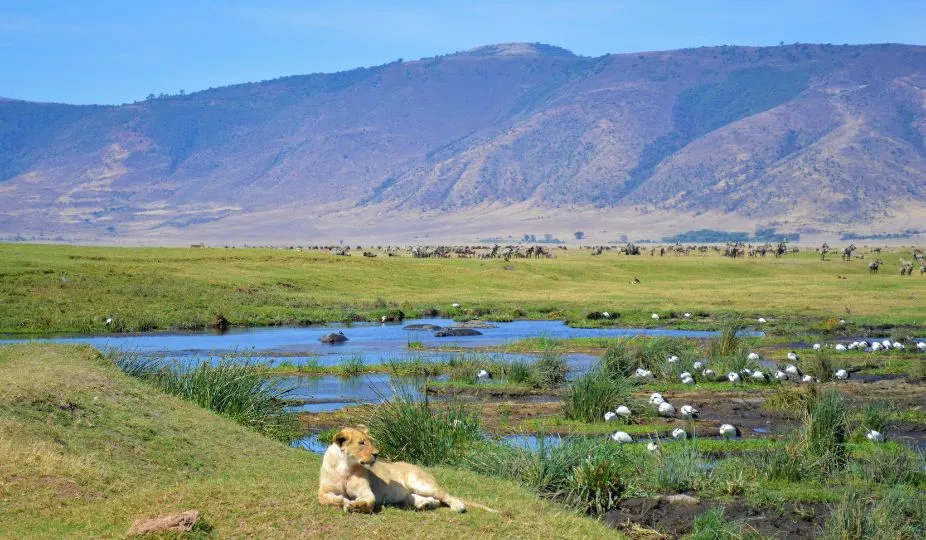
- Lions & Apex Predators: Dense lion prides with high hunting success rates alongside spotted hyenas and occasional cheetahs.
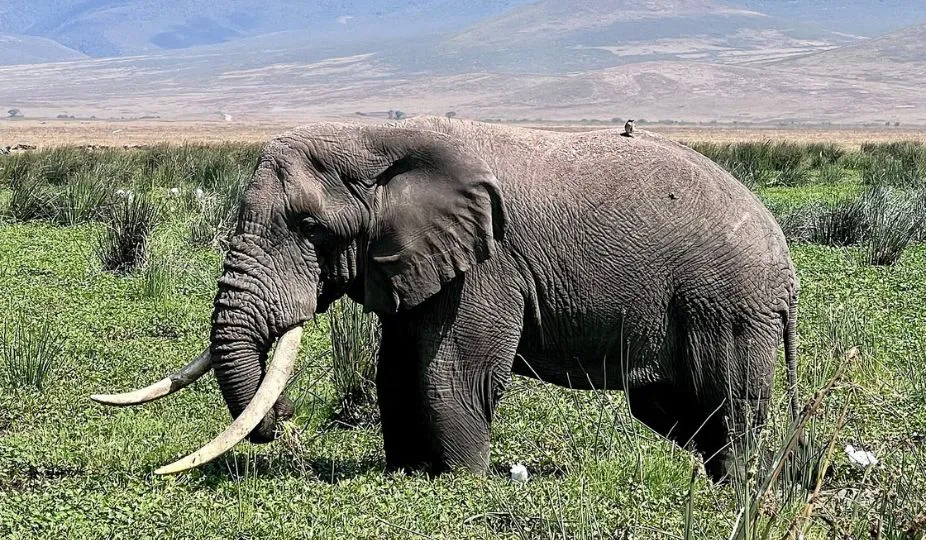
- African Elephants: Home to iconic, old “big tusker” bulls roaming the Lerai Forest.
- Cape Buffalo: Large herds grazing across the central plains and marsh edges.
- Black Rhino: Protected resident population frequently sighted on the open short-grass plains.
- Wildebeest & Zebra: Resident herds occupying the central crater floor year-round.
- Aquatic Life: Pods of hippos residing in the Mandusi and Ngoitokitok freshwater swamps.
- Avian Diversity: Thousands of lesser flamingos on Lake Magadi alongside ostriches, crowned cranes, and Kori bustards.
- Seasonal Bird Movements: Migratory waders and raptors arriving between November and April.
Wildlife sightings remain subject to animal behavior, seasonal weather shifts, and daily movements. While the crater’s compact footprint increases visibility, animals move freely throughout the sanctuary.
Best Time to Visit Ngorongoro Crater in 2026
The Best Time to Visit Ngorongoro Crater depends on what matters most to you: wildlife viewing, weather, photography, green scenery, migration-related experiences, visitor levels, or budget.
| Season | Months | Wildlife & Landscape Conditions | Visitor Numbers & Vibe |
| Dry Season | June – October | Sparse grass makes wildlife easy to spot; animals cluster at water sources. | High visitor density on the crater floor. |
| Calving / Short Dry | January – March | Lush green grass; wildebeest calving in the nearby southern Serengeti/Ndutu. | Moderate to high demand; excellent predator action. |
| Long Rains | April – May | Heavy showers, vibrant green landscapes, mist on the rim, full water bodies. | Lowest visitor count; best rates for accommodation. |
| Short Rains | November – December | Brief afternoon showers, migratory bird arrival, refreshed vegetation. | Moderate visitor traffic; scenic photography conditions. |
Generally, the Rainy Season in Ngorongoro is November to April. May to October is the Dry Season. Late February and early March can be a good time to see the migration and increased predator activity on the short-grass plains.
There is no “best month” for all. Weather conditions may change from one year to the next, and rainfall and animal movements may vary seasonally.
Before you set out on your Ngorongoro Safari in 2026, make sure you read the weather forecast. The crater rim is over 2200m above sea level and thus can be chilly and misty year-round. It may be particularly cold in rainy seasons, so carry warm clothes.
Ngorongoro Safari Planning – Cost, Duration & Travel Tips
Planning a Ngorongoro Safari Tour includes more than just selecting a game-drive date. Your accommodation, vehicle, guide, travel season, and combination of parks can significantly affect the total safari cost.
Ngorongoro Safari Travel tips
- Safari duration – Ngorongoro can be visited as part of a short trip or a longer Northern Tanzania safari.
- Accommodation type – Options range from campsites to comfortable lodges and luxury properties around the conservation area.
- Private or shared vehicle – Private safaris provide greater flexibility, while shared trips can reduce the cost per traveller.
- Guide and vehicle costs – Ask whether professional guiding, vehicle use, and driver expenses are included.
- Conservation and park fees – Confirm which entry and conservation charges are included in the quotation.
- Meals and drinking water – Check whether meals, bottled or treated drinking water, and picnic lunches are covered.
- Road transfers and flights – Many Northern Tanzania itineraries operate by road, although domestic flights can be useful for longer routes.
- Travel insurance and visa requirements – Arrange appropriate insurance and check Tanzania’s current entry requirements before travelling.
- Safari clothing and luggage – Lightweight clothing, warm layers for cool mornings, comfortable shoes, sun protection, and practical soft luggage are useful.
- Combining destinations – Serengeti and Tarangire can complement Ngorongoro by providing different landscapes and wildlife experiences.
How much does a Ngorongoro Safari Cost?
The cost depends on several things, such as accommodation, travel season, group size, safari vehicle, number of days, transport, and places you visit. Instead of looking only at the daily price, compare the full Tanzania Safari Package. A cheaper package may not include important costs such as parking fees, transport, meals, accommodation, or other services.
How many days do you need?
A Ngorongoro Safari can be part of a 5-Day Wildebeest Migration Safari. The length of the trip depends on how many parks you want to visit. When planning your trip, remember to consider driving distances and game-drive time. The road from Arusha to the Lodoare entrance is about 160 km, so travel time should be included in your safari plan.
Plan Your 2026 Ngorongoro Safari with Naserian Adventures
A Ngorongoro Crater Safari 2026 is a great way to see Tanzania’s amazing wildlife and beautiful volcanic landscapes. You can see endangered black rhinos, lions, elephants, and other animals on the crater floor. You can also enjoy stunning views from the crater rim.
At Naserian Adventures, our experienced safari team creates Tanzania Safari Packages based on your schedule, budget, and travel preferences. Whether you want a short Ngorongoro Crater safari or a longer Northern Tanzania trip, we can arrange your 4×4 safari vehicle, accommodation, park permits, and other travel needs.